
B2B vs B2C Logistics: The Best Strategy Guide
Logistics is the engine behind every successful supply chain. Whether goods are moving from a warehouse to a retailer or from a distribution centre straight to a customer’s doorstep, the logistics process shapes delivery speed, costs, customer satisfaction, and business growth.
For Australian businesses, understanding the difference between B2B and B2C logistics is especially important. Customer expectations are rising, freight costs matter more than ever, and businesses need reliable partners that can handle everything from palletised freight to container transport. That is why many companies look to experienced logistics companies that Melbourne businesses can trust to keep goods moving efficiently.
At first glance, B2B and B2C logistics may seem similar. Both involve transport, warehousing, scheduling, and delivery coordination. But in practice, each model operates very differently. The order sizes, delivery destinations, service expectations, and handling requirements can vary significantly.
In this article, we break down the key similarities and differences between B2B and B2C logistics, explain why the distinction matters in Australia, and show how Expert Logistics supports businesses looking for dependable transport solutions across Melbourne and beyond.
What Is B2B Logistics?
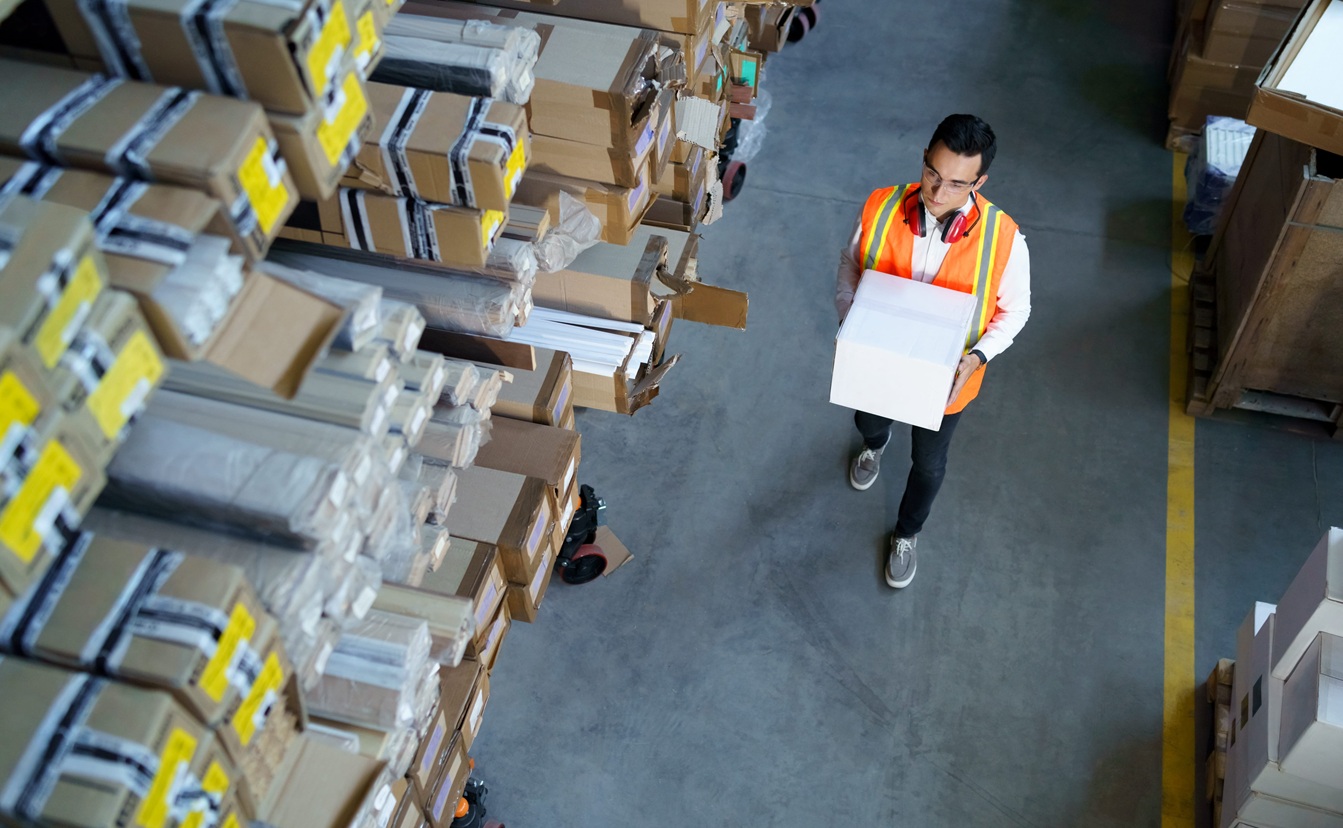
B2B logistics, or business-to-business logistics, refers to the movement of goods between businesses. This might involve a manufacturer sending stock to a wholesaler, a supplier delivering materials to a construction site, or a container arriving at a commercial warehouse for distribution.
B2B logistics usually involves larger shipments, fewer delivery points, more structured scheduling, and stricter compliance. Deliveries are often planned in advance, with businesses expecting accurate documentation, reliable time slots, and professional freight handling.
Typically, any B2B fulfilment involves:
- Large, palletised or containerised shipments
- Pre-agreed delivery schedules and purchase orders
- Shipping container transport between commercial facilities
- Strict compliance requirements (food-grade, cold chain, dangerous goods, etc.)
- Longer payment cycles — Net 30, 60 or 90 days
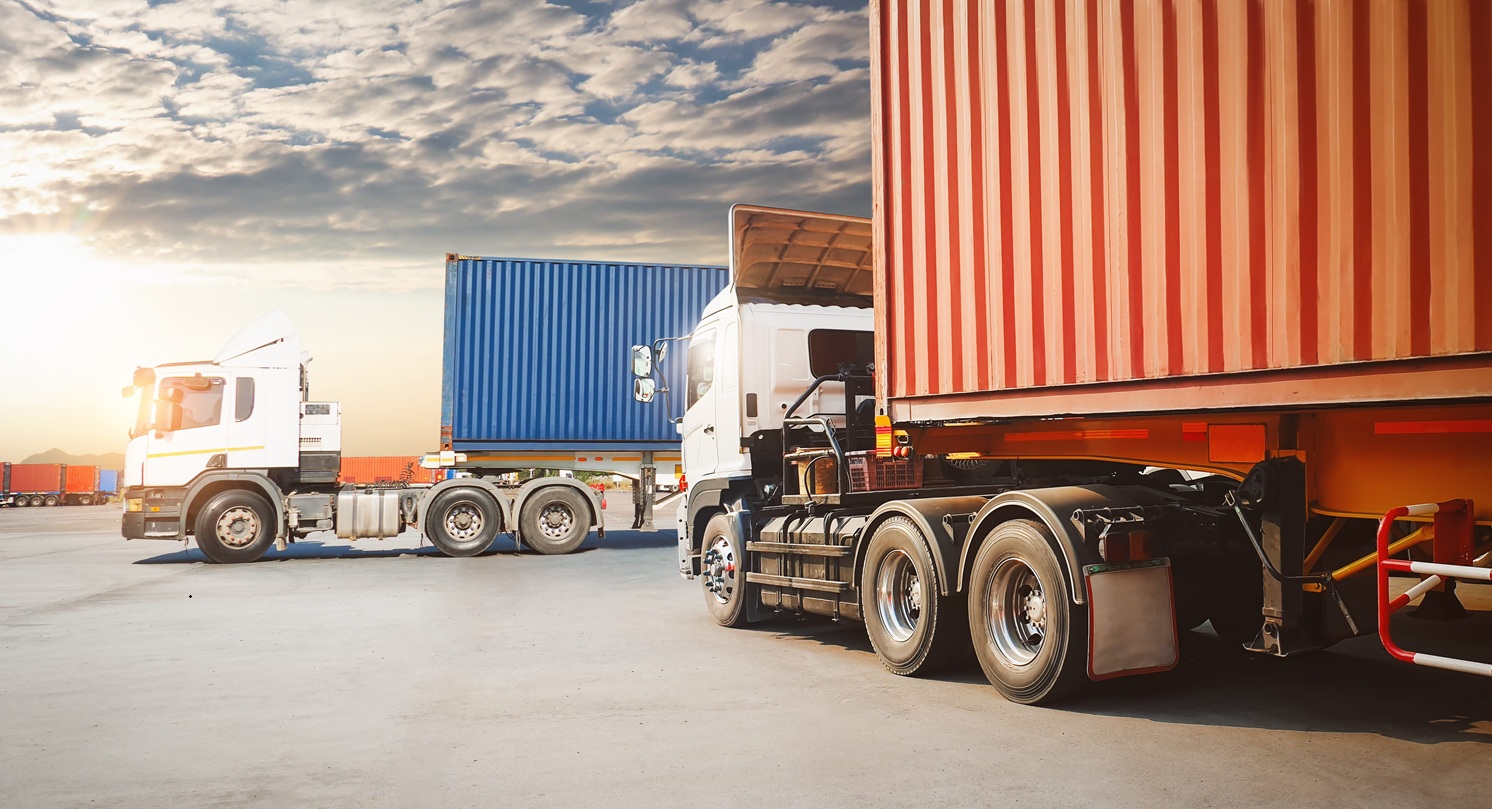
In Melbourne's industrial corridors, from Port Melbourne to Laverton and Dandenong South, B2B freight is the backbone of the local economy. Specialised services like side loader container transport are a core part of this ecosystem, enabling businesses to receive and dispatch shipping containers directly from their premises without the need for a loading dock.
What Is B2C Logistics?
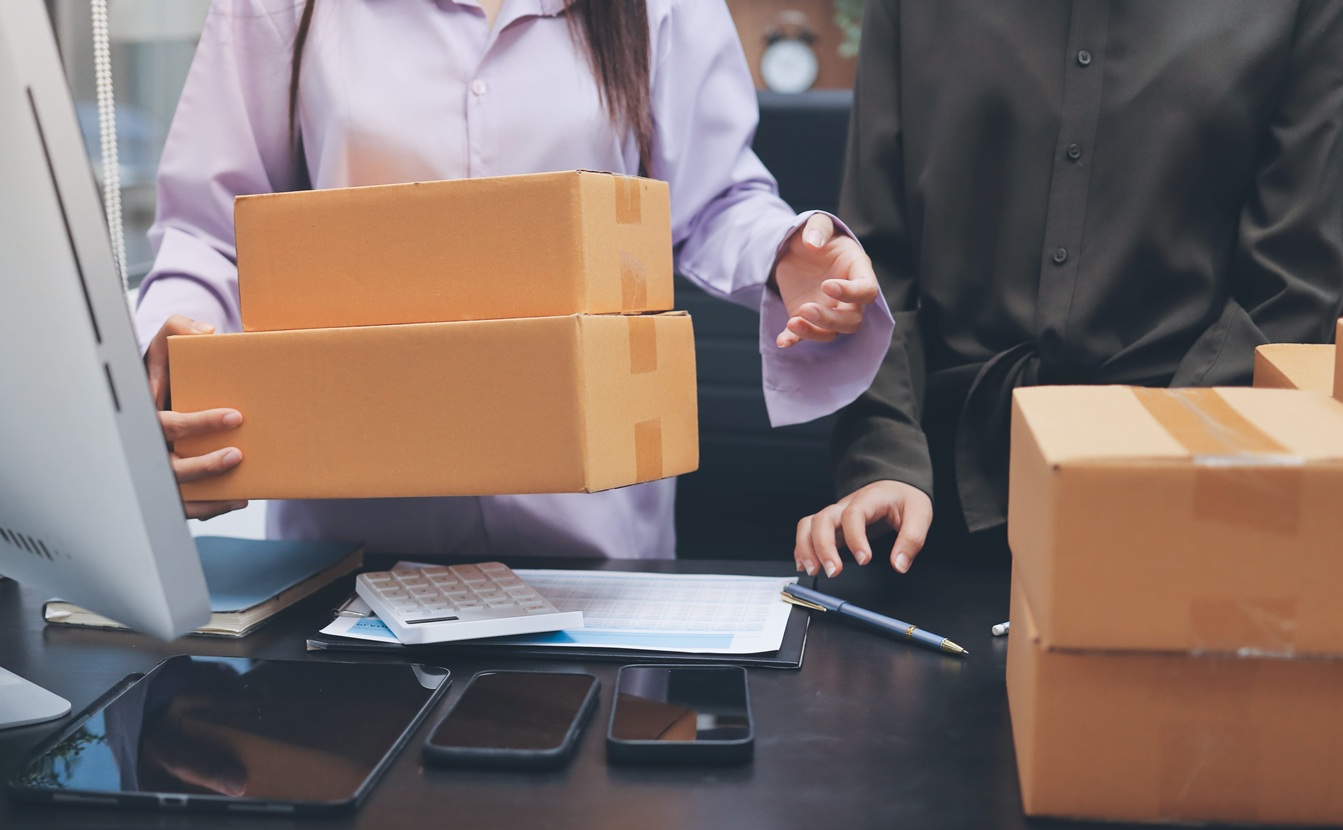
B2C (Business-to-Consumer) logistics covers the delivery of goods directly to individual customers. This model is common in eCommerce, retail, and home delivery services.
Unlike B2B logistics, B2C orders are usually smaller, more frequent, and delivered to many different locations. Customers also tend to expect faster delivery times, clearer tracking updates, and flexible delivery options.
It's the world of eCommerce fulfilment, parcel delivery, and last-mile logistics where speed, transparency, and a seamless customer experience are paramount.
Typically, any B2C fulfilment involves:
- High volumes of small, individual orders
- Fast delivery windows — same-day, next-day, or two-day shipping
- Consumer-grade packaging and branded unboxing experiences
- High return rates and straightforward reverse logistics
- Real-time tracking and customer notifications
The rapid growth of online retail in Australia particularly post-2020 has placed enormous pressure on B2C logistics networks. Melbourne, as the country's second-largest city and a major eCommerce hub, is at the centre of this transformation.
B2B vs B2C Logistics: Quick Comparison
The table below summarises the core differences at a glance:
| Factor | B2B Logistics | B2C Logistics |
| Customer | Other businesses, wholesalers, manufacturers | Individual end consumers |
| Order Size | Large, bulk shipments | Small, individual parcels |
| Order Frequency | Scheduled, predictable | Frequent, unpredictable |
| Delivery Window | Flexible, planned lead times | Fast — often same-day or next-day |
| Packaging | Pallets, crates, bulk containers | Individual branded boxes or satchels |
| Returns | Less common, managed via contracts | Higher volume, consumer-driven |
| Payment Terms | Net 30/60/90 invoicing | Immediate payment at checkout |
| Compliance | Industry-specific regulations (e.g. food, pharma) | Consumer protection laws, last-mile rules |
Key Similarities Between B2B and B2C Logistics
Despite their differences, B2B and B2C logistics share more common ground than most people realise:
1. Both Rely on Efficient Warehousing
Whether you're storing pallets for a wholesale client or individual SKUs for an online store, warehousing is at the heart of every logistics operation. Inventory accuracy, space utilisation, and pick-and-pack efficiency matter in both models.
2. Technology Is Critical in Both
From warehouse management systems (WMS) to transport management software (TMS) and real-time tracking, technology underpins performance in B2B and B2C alike. Australian businesses increasingly expect digital visibility across their supply chains.
3. Both Demand Reliability
A missed delivery is costly, whether it's a retailer running out of stock due to a late B2B shipment or a consumer who ordered a birthday gift that didn't arrive on time. Reliability is non-negotiable in both worlds.
4. Compliance and Safety Standards Apply to Both
From Chain of Responsibility (CoR) laws under Australia's Heavy Vehicle National Law (HVNL) to workplace health and safety obligations, logistics providers servicing both B2B and B2C clients must meet the same regulatory baseline.
Main Differences Between B2B and B2C Logistics
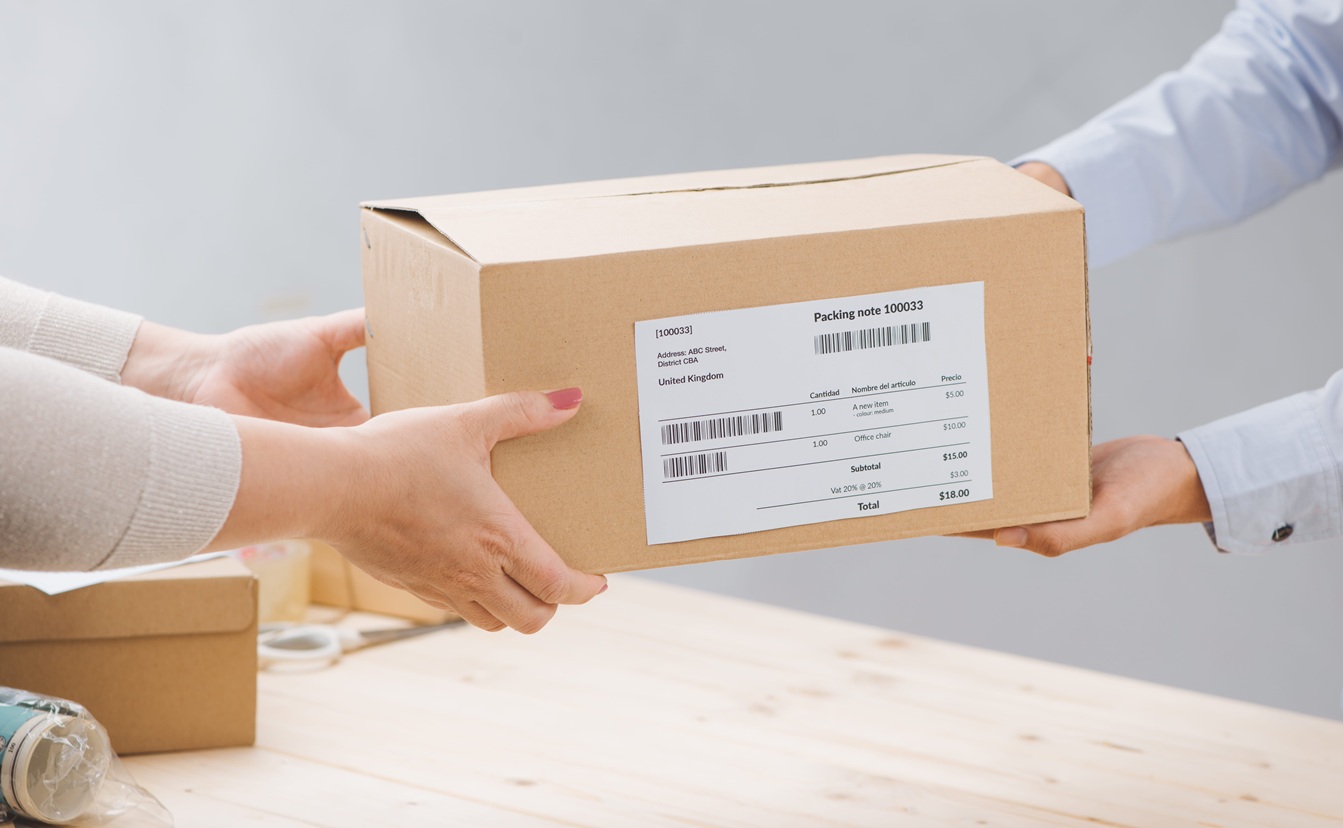
The biggest difference between B2B and B2C logistics lies in how goods are delivered and what the end customer expects.
Order Complexity and Volume
B2B orders tend to be fewer in number but significantly larger in size. A single B2B shipment might involve multiple shipping containers moving from the Port of Melbourne to regional distribution centres. B2C, on the other hand, may involve thousands of small parcels dispatched daily from a single fulfilment centre.
Delivery Expectations
B2B customers generally accept planned lead times, deliveries are coordinated via purchase orders, and scheduled in advance. B2C customers expect speed. Australia Post's research consistently shows that fast and free delivery is the top priority for online shoppers.
Carrier Partnerships
B2B businesses often work with specialist transport and logistics companies in Melbourne that offer dedicated fleet services, side loader container transport, and tailored freight solutions. B2C businesses may rely on a combination of national couriers and regional last-mile providers.
Which Is Better - B2B or B2C Logistics?
Neither B2B nor B2C logistics is “better” overall. The right model depends on your business type, customer base, and delivery needs.
If your business mainly supplies stock to retailers, wholesalers, or commercial sites, B2B logistics is the right fit. If you sell directly to consumers through eCommerce or retail channels, B2C logistics is essential. Many businesses today actually need both. For example, a company may distribute bulk goods to stores while also fulfilling direct online orders to customers.
The key is working with a logistics provider that understands your operating model and can adapt to your requirements.
B2B and B2C Logistics in Melbourne, Australia
Australia's geography presents unique logistics challenges that don't exist in the same way in Europe or North America. Vast distances between major cities, a relatively small population spread across a large landmass, and a heavy reliance on port infrastructure all shape how both B2B and B2C logistics operate here.
For businesses, finding logistics companies in Melbourne that can handle both B2B and B2C requirements under one roof is a significant competitive advantage. That is why many businesses turn to local logistics companies that Melbourne organisations already know and trust. A provider with local knowledge can help reduce delays, improve route planning, and manage freight requirements more effectively.
For example, if a business needs container transport to a restricted-access site, side-loader container transport can be a practical solution. If another business needs ongoing freight delivery to suppliers, retailers, or customers, working with experienced transport and logistics companies in Melbourne can improve both service reliability and cost efficiency.
Partner with Expert Logistics Melbourne's Trusted Freight Specialists
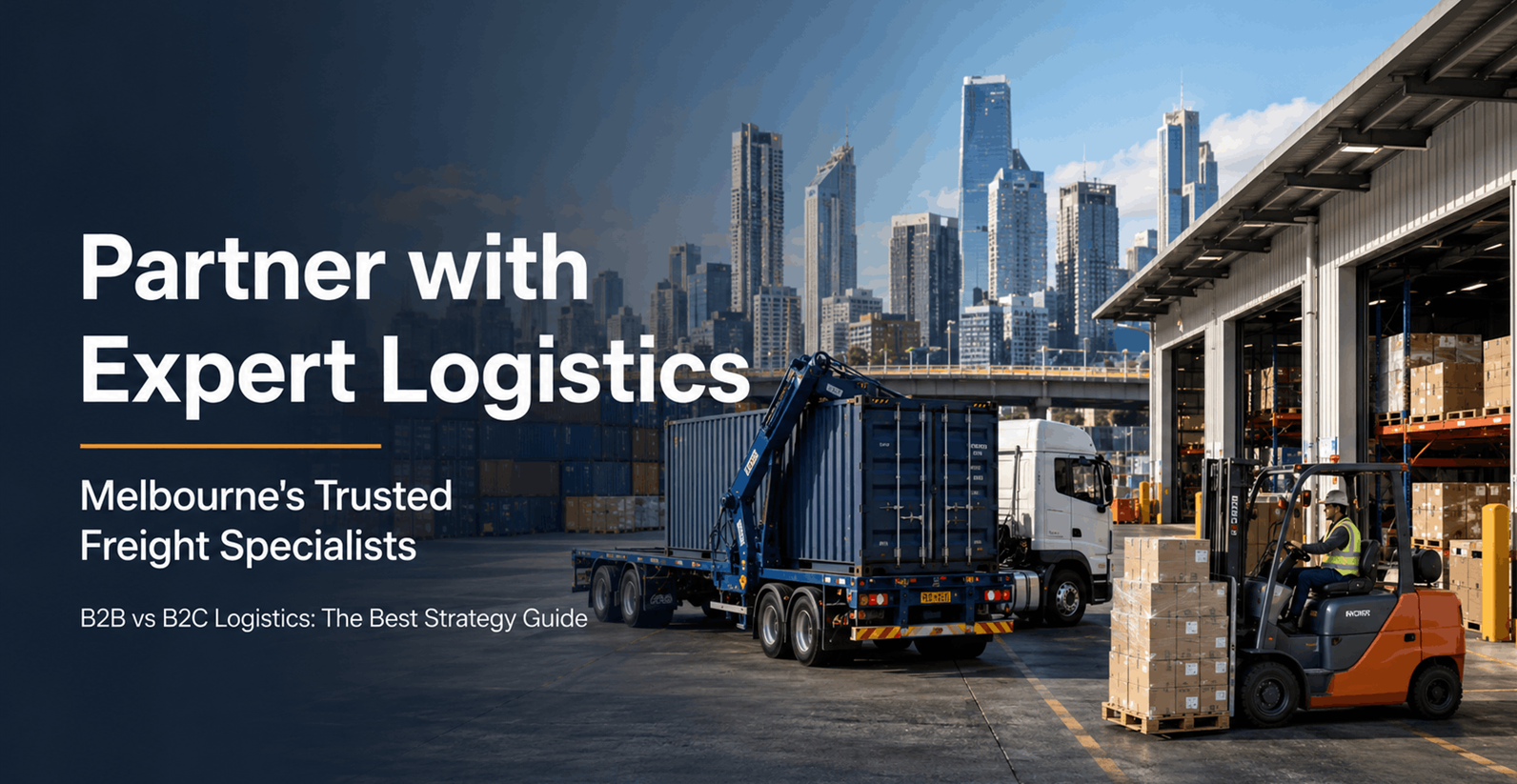
Whether you operate a B2B supply chain requiring shipping container transport in Melbourne, or a B2C eCommerce business looking for responsive fulfilment, Expert Logistics has the experience and infrastructure to support your growth.
As one of the leading transport and logistics companies in Melbourne, we offer:
- Side loader container transport across Victoria and nationally
- Dedicated B2B freight solutions for manufacturers, distributors and retailers
- Scalable B2C fulfilment services for eCommerce brands
- Warehousing, 3PL, and last-mile delivery across Melbourne and beyond
Contact Expert Logistics today for a tailored quote and discover why Melbourne businesses trust us to move what matters.
Frequently Asked Questions
What is side loader container transport?
Side loader container transport uses specialised equipment to load and unload containers from the side of the vehicle. It is useful for sites where cranes or additional lifting equipment are not practical.
Is B2C logistics more expensive than B2B?
On a per-unit basis, B2C logistics tends to be more expensive due to the labour-intensive nature of picking and packing individual orders, managing returns, and meeting fast delivery expectations. B2B logistics typically benefits from economies of scale, though specialised requirements like temperature control or oversized freight can add costs.
What should I look for in a logistics partner for my Melbourne business?
Look for a provider with proven experience in your specific model (B2B or B2C), strong technology integration, a reliable carrier network, and expertise in Australian compliance requirements. If your business involves container freight, ensure they offer shipping container transport in Melbourne and have the infrastructure, including a side-loader, capabilities to manage your supply chain end to end.