
The Middle Mile in the Supply Chain
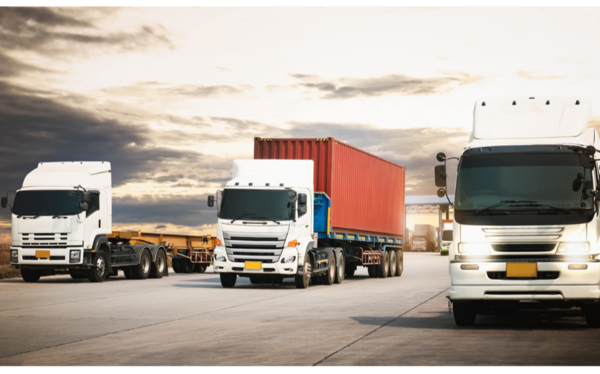
Every logistics network has its unsung hero — the stage between source and delivery, often overlooked yet crucial. That stage is commonly called the middle mile. In this guest-post, we unpack how this vital segment works, why it matters, and how companies — especially those working with logistics companies in Melbourne — can optimise it for better results.
From the moment goods leave a warehouse until they arrive at a regional hub, they are in the “middle mile” phase. According to a recent analysis, this stage typically covers distances of 50-500 miles and accounts for a significant proportion of logistics costs — yet it receives disproportionately less optimisation attention. In the context of Australia, and Melbourne in particular, this could mean the move from a central distribution facility to sub-hubs or retail fulfilment zones.
Historically, many organisations have focused heavily on first-mile (supplier-to-warehouse) and last-mile (warehouse-to-end-customer) operations. But the middle mile acts as the bridge between them. As one source puts it, “Without the middle mile holding everything together, nothing would get where it’s going.” For businesses relying on bulk movement, containers, regional warehousing, and the like, this is an opportunity.
If you’re a business in Melbourne seeking to partner with transport and logistics companies, understanding the middle mile gives you leverage to ask the right questions, spot the right partners, and align your operations for cost, speed, and reliability.
What exactly is the middle mile?
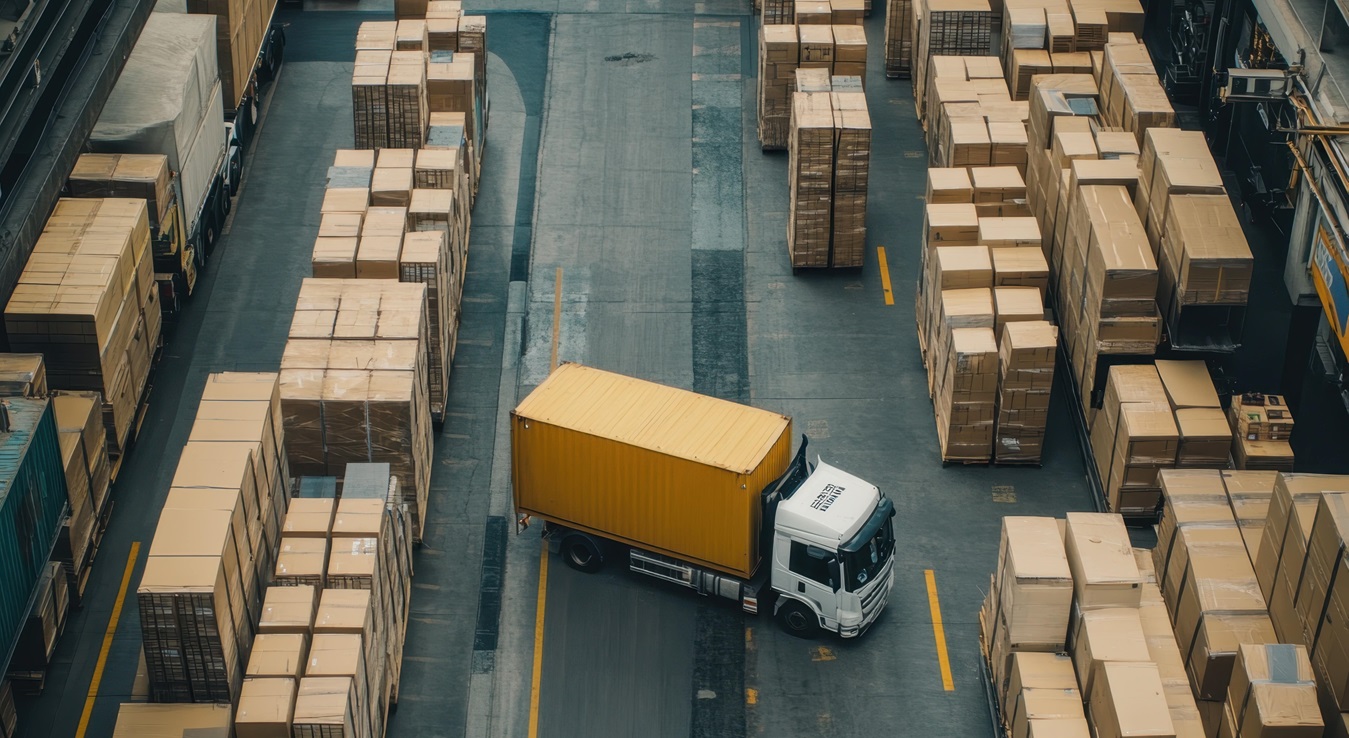
In straightforward terms, it is the movement of goods from one business facility (such as a warehouse or distribution hub) to another – rather than directly to the end customer. One definition: “…moves goods from a supplier, manufacturer, or port of entry to a distribution centre, warehouse, or retail location.”
Another way of framing it: goods leave the first-mile leg (e.g., manufacturer to warehouse) and are then transported in bulk, often via road, rail, or other means, to an intermediate facility where they’ll be sorted for the last mile.
In practice for Melbourne: imagine containers arriving at the Port of Melbourne, being offloaded, then transported by truck to a regional distribution centre, then readied for last-mile dispatch across Victoria. That leg between the port/warehouse and the regional centre is middle-mile territory.
Why the middle mile matters
To begin with, the middle mile often carries a high proportion of logistics cost — yet it tends to receive less attention. For example, one article notes that the middle mile accounts for nearly 20-30% of total logistics costs but receives only about 15% of optimisation focus.
Furthermore, any delay, inefficiency, or breakdown in the middle mile ripples downstream: it can slow the last mile, cause inventory misalignment, increase empty miles (trucks running empty), and inflate costs.
From a competitive lens, companies that get the middle mile right gain a strategic advantage: smoother flows, better inventory positioning, and more reliable fulfilment. According to a logistics tech provider, “The middle mile is no longer the ‘Wild West’ of logistics… It’s becoming the cornerstone of efficient, sustainable, and resilient supply chains.”
In the Melbourne market, where freight volumes, regional deliveries, containerised transport, and warehousing are all significant, having strong middle-mile operations (including shipping container transport all over Melbourne and beyond) can differentiate a business.
Common challenges in the middle mile
Despite its importance, the middle mile has its pain points. Reflecting the global scene, the Australian/regional context is not immune.
- Routing and capacity utilisation: Poor route planning or underused vehicles amplify cost. One article lists “long-haul routes, multiple modes of transportation, and coordination across carriers and distribution hubs” as key complexity factors.
- Visibility and tracking: Because the shipments are bulk and intermediate, often moving between hubs rather than directly to customers, tracking can be patchy. A blog emphasises that “when products disappear into the ‘in transit’ void, customers grow restless” and the middle mile is exactly that risk zone.
- Coordination of hand-offs: When goods move from one facility to another, or one carrier to another, mismatches, delays, and documentation errors can occur. Amazon’s freight team notes that coordination among freight providers, drivers, and warehouse teams is essential.
- Cost control and empty miles: Logistics providers often struggle with significant volumes in one direction but empty capacity on the return leg. Reducing empty trips is a middle-mile optimisation lever.
- Changing demand patterns: The rise of e-commerce, regional hubs, and faster fulfilment expectations means the middle-mile network is under pressure to be more flexible. This is detailed in several recent guides.
Best practices & strategies to optimise the middle mile
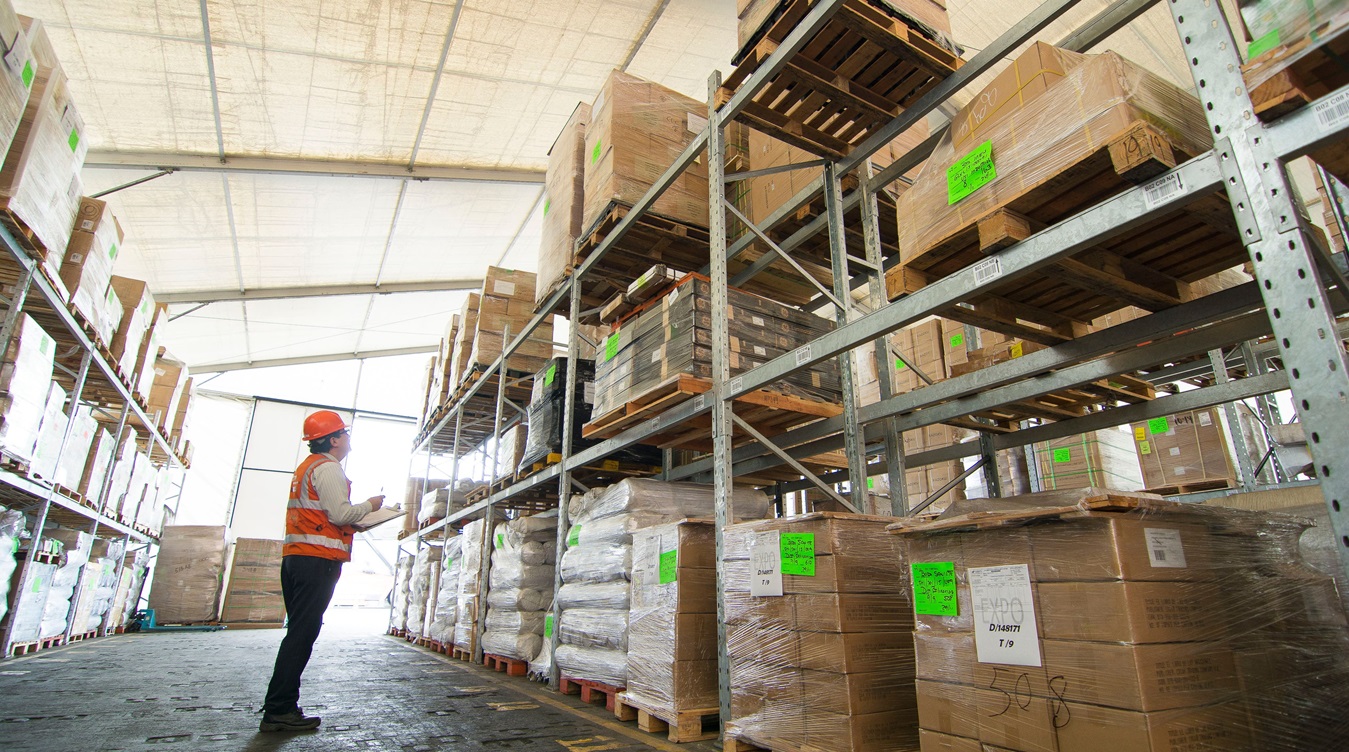
Here are actionable ideas that supply-chain and logistics managers can adopt — especially relevant if you’re working with freight or container transport across Melbourne and beyond.
Route and network design first
Start with mapping your existing flows: origins, destinations, volumes, and frequencies. One trusted strategy: optimise your network by placing distribution hubs close to key road/rail arteries, reducing the travel distance and time for the middle mile.
Leverage technology and visibility tools
Modern systems enable real-time tracking of loads, driver status, vehicle location, temperature, or condition (especially for sensitive cargo). A specialist writes: “Visibility within the middle mile has an added bonus: when everyone knows what is going on … shippers can make informed decisions about their inventory.”
Maximise load utilisation and minimise empty back-hauls
Ensure every trip carries as much useful payload as possible, and plan return legs or networks to reduce wasted movements. One commentary notes using full-truck-load (FTL) versus less-than-truck-load (LTL) as part of this strategy.
Automate repeated routes
Because many middle-mile routes are between the same nodes (warehouse → regional hub), you can standardise, schedule, and automate them — reducing planning overhead, ensuring consistency. The FAQ from a route-planning provider states you can “schedule a repetitive route only once and then create a schedule for it to be automatically created and dispatched.”
Plan for disruption and build resilience
Weather, traffic, equipment failure — they happen. Good middle-mile operations build flexibility: alternative routes, capacity buffer, contingency carriers. Amazon’s freight team emphasises being “prepared to pivot” when disruptions occur.
Measure what matters
Track metrics like on-time performance, trailer utilisation, empty miles, transit time variance, cost per tonne-km, and hub dwell time. These will help you identify weak links and also make your middle-mile operation something you can optimise over time.
Why is this especially relevant for Melbourne and regional Australia
Being based in Melbourne gives you both opportunity and challenge. On one hand, you have access to a significant port, extensive road and rail infrastructure, and many freight and warehousing providers. On the other hand, moving goods from Melbourne to regional hubs (or vice-versa) means dealing with long distances, possible empty return legs, scheduling constraints, and multiple carriers.
If your business is partnering with side loader container transport services (essential for loading/unloading in constrained areas, or where container drop-and-pick is required), you want to make sure that the middle-mile leg is aligned: containers arrive on time, the side loader vehicle is coordinated, the destination hub is ready, and downstream operations are aware.
Selecting the right shipping container transport all over Melbourne provider means checking that they understand middle-mile optimisation: they should have regular routes, high utilisation, excellent scheduling, and visibility tools so you know your container’s status.
Transport and logistics companies in Melbourne that perform well will treat your middle mile as part of a holistic supply-chain strategy — not just “we’ll move your container from A to B when we can.” In other words: alignment, predictability, and transparency matter.
How a business might go about selecting the right provider
When you’re choosing a partner for your middle-mile logistics, especially in a Melbourne context, here are some questions worth asking:
- Does the provider have consistent, scheduled runs between your required points (for example, between your warehouse and regional hub)?
- Can they demonstrate utilisation rates (how full their trucks/containers are) and how they minimise empty legs?
- What visibility tools do they provide? Can you track the container/truck en route, receive ETAs, and see delays?
- Do they support side-loaders or specialised vehicles if needed (for difficult loading/unloading sites)?
- How do they support containerised transport: drop-and-pick, integration with ports, and rail links?
- What contingency plans exist for delays, breakdowns, or capacity shortages?
- What metrics do they report back to you, and can they help you optimise your network (load consolidation, repeating routes, hub positioning)?
By asking these, you’ll distinguish between providers who simply move freight and those who actively help you optimise your middle-mile chain.
Future trends to watch
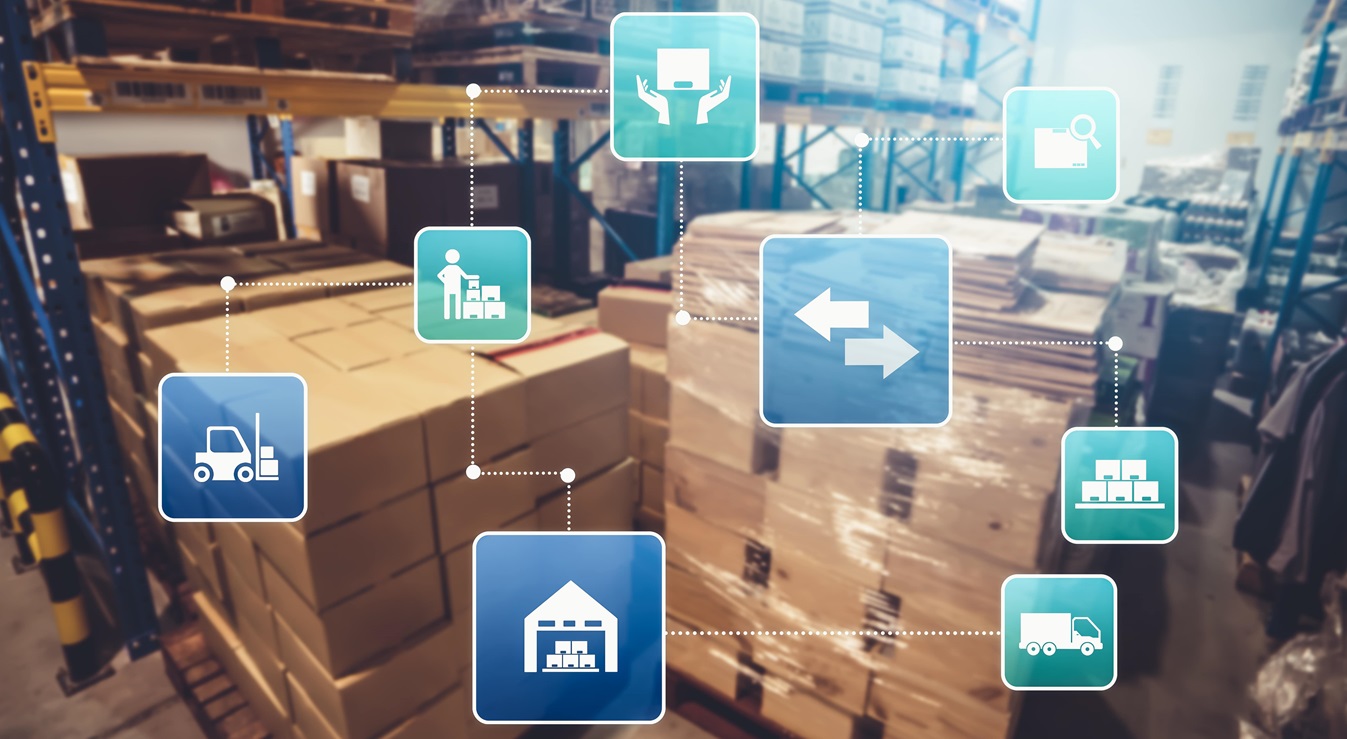
Looking ahead, the middle mile is attracting more attention, and several key trends are emerging:
- Data-driven routing and predictive analytics: As one guide notes, machine-learning and optimisation engines are increasingly being used to dynamically adjust routes, taking into account traffic, weather, driver hours, etc.
- Modal shift and intermodal integration: Combining road, rail, and even inland shipping to optimise cost and time, particularly for long-haul legs. When distances are large, rail may offer economies of scale.
- Environmental & sustainability focus: Pressure to reduce carbon footprint means optimising vehicle utilisation, reducing empty miles, and shifting to greener fleets or intermodal options. One logistics commentary mentions this specifically.
- Greater visibility and collaboration: More supply-chain partners demand transparency. Middle-mile operations will increasingly be monitored in real-time and integrated with upstream/downstream systems. The Tive blog emphasises that the middle mile is the most significant tracking gap in the supply chain.
- Flexible hubs and micro-fulfilment: With e-commerce growth, companies are moving to regionally distributed fulfilment centres, which means the middle-mile network becomes denser and more complex. As one blog puts it: “If your business can master this phase, it will lower costs, increase speed, and beat the competition.”
Practical steps you can take today
Before closing, here are three practical actions you can take if you’re managing logistics and want to strengthen the middle mile:
- Conduct a volume and flow audit: Map where your goods move, how often, how full the loads are, and how many empty return legs you have. Identify which routes are high-volume and which are under-utilised.
- Engage your logistics provider in a review session: Ask them to share their utilisation, scheduling, visibility tools, and suggest improvements (e.g., can they drop containers earlier? Can you consolidate shipments? Can you implement set-routes instead of ad-hoc?).
- Implement a pilot optimisation project: Choose one frequent middle-mile corridor (for example, a warehouse in Melbourne to a regional hub in Victoria). Work with your provider to reduce empty miles, improve scheduling, implement tracking, and measure cost/time improvements over, say, 90 days. Use this as a template for other corridors.
Conclusion
In supply-chain conversations, we often emphasise “first mile” and “last mile” — but the reality is, the middle mile is the backbone. When it fails, everything else suffers. When it’s optimised, the whole network benefits.
For businesses in Melbourne working with logistics companies in Melbourne, paying close attention to how your middle mile is managed makes a real difference: better cost control, more reliability, fewer surprises. If your operations include side loader container transport or shipping container transport all over Melbourne, ensuring the middle-mile network is tuned will amplify the value of those services.
When you partner with the right transport and logistics companies in Melbourne, you’re not just buying a trip from A to B — you’re investing in the efficiency, resilience, and scalability of your supply chain in 2025 and beyond, which will increasingly be your competitive edge.